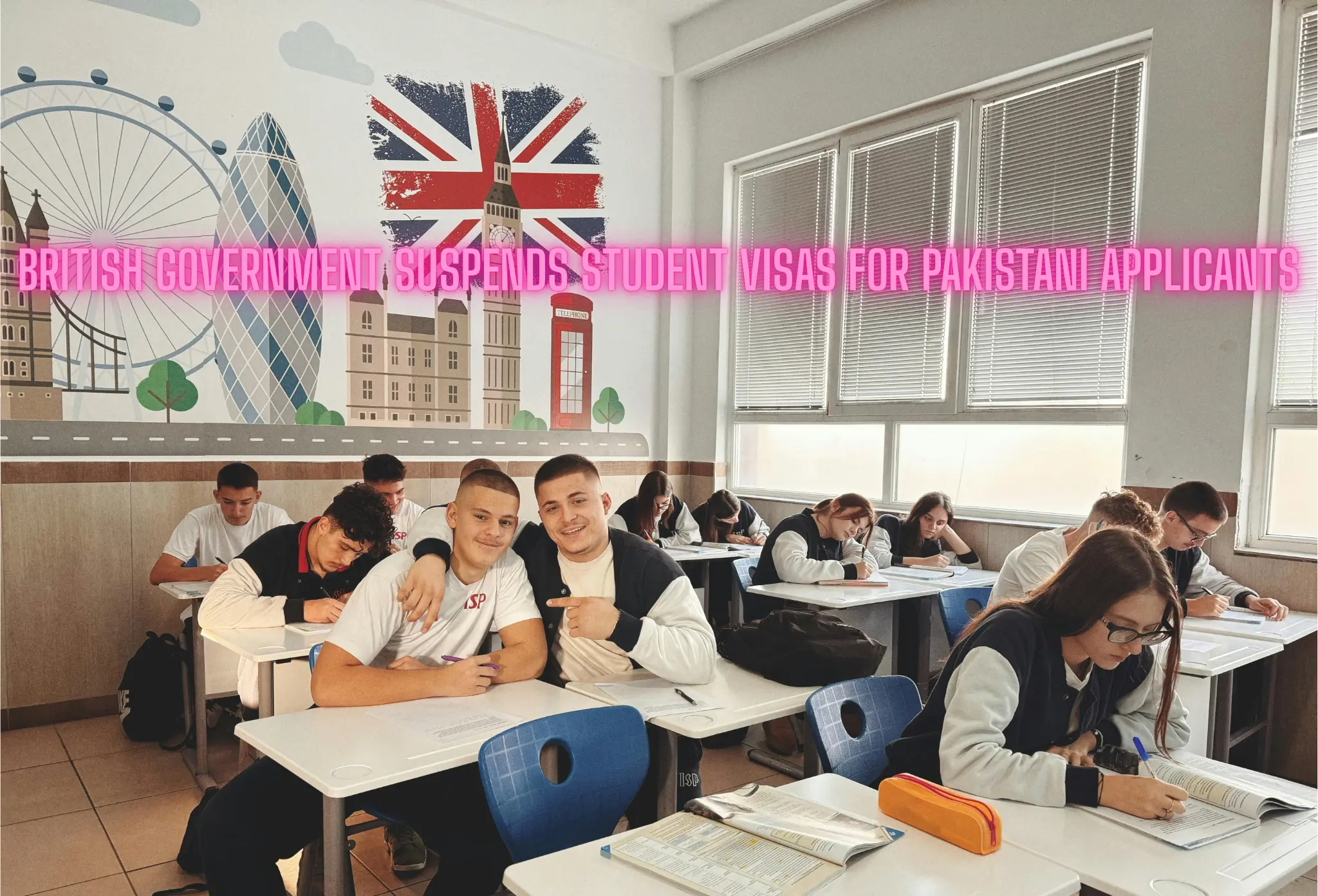
Some Universities in the United Kingdom have introduced one of their most stringent immigration measures in recent years by temporarily suspending or restricting student visa issuance for Pakistani and Bangladeshi applicants. Both countries have been officially categorized as “high-risk markets” for educational migration, prompting widespread concern among students, families, and international education stakeholders.
This long-form analysis examines the reasons behind the suspension, its implications, and the broader impact on the UK’s international education landscape.
Overview of the UK’s Temporary Visa Suspension
According to multiple reports, including coverage by The Financial Times and Dawn News, the UK Home Office has instructed several universities to pause or restrict new student enrollments from Pakistan and Bangladesh. This is not presented as a permanent ban but rather a temporary and precautionary measure aimed at tightening the academic visa system.
The primary reason for this policy shift is the growing perception within UK authorities that some applicants are using student visas as indirect migration pathways, including applying for political asylum after entering the country.
Universities Temporarily Halting Admissions
At least nine major UK universities have reportedly halted or frozen admissions for students coming from Pakistan and Bangladesh. Although institutional names have not been officially published by the Home Office, media reports suggest that these universities are responding to pressure to comply with stricter vetting requirements.
The decision comes amid a notable rise in visa refusal rates, asylum claims, and cases involving misuse of the educational visa category. This trend has raised concerns regarding the overall integrity of the UK’s international student system.
Understanding the “High-Risk” Classification
The classification of Pakistan and Bangladesh as “high-risk” countries is based on several factors identified by British immigration authorities:
- Elevated visa refusal rates in student categories
- Document inconsistencies in financial or academic submissions
- Increased asylum applications filed by students shortly after arrival
- Concerns regarding long-term settlement attempts through non-academic routes
By designating these countries as high-risk, the UK is signaling a need for more rigorous screening and verification of educational visa applications.
Stricter Vetting and Eligibility Requirements
British officials have issued clear instructions: educational visas are for legitimate academic study only, not for those seeking to gain residency through loopholes.
Key elements of the new vetting environment include:
- Enhanced scrutiny of academic backgrounds
- Comprehensive financial verification
- In-depth credibility interviews
- Rejection of applicants whose study plans appear unclear or inconsistent
- Zero tolerance for fraudulent or questionable documentation
Universities have been advised that any applicant failing to demonstrate a genuine academic intention must be denied admission.
Rising Rejection Rates for Pakistani Applicants
Media reports indicate that nearly 20% of student visa applications from Pakistani nationals are being rejected under the updated policy. This marks a significant increase compared to previous years, where rejection rates were comparatively lower.
The rise in refusals is directly tied to the UK government’s focus on reducing systemic vulnerabilities within the student visa framework.
A Controversial Deportation Case Draws Attention
In a separate yet related development, a case involving a 22-year-old British-Pakistani student has sparked public debate. Despite a criminal history that includes theft, weapons-related charges, school expulsion, and a 30-month prison sentence for involvement in a drug distribution network, the individual’s deportation was halted by a British tribunal.
The tribunal’s decision reportedly took into account his recent recognition as a “star student.”
This case has intensified discussions surrounding immigration, rehabilitation, and the role of academic performance in legal decisions.
Firm Instructions from the UK Government to Universities
The UK government has issued strict directives to higher education institutions, emphasizing that only genuine international students should be admitted, especially from countries now under the high-risk category.
The message is clear:
- Universities must strengthen internal vetting systems.
- Admissions teams must verify applicants with greater precision.
- Compliance with immigration rules is mandatory.
- Any lapse may result in sanctions against the sponsoring institution.
These instructions are intended to prevent misuse of the student visa system and ensure that the UK continues to attract academically motivated individuals.
Broader Impact on Students and the International Education System
The temporary suspension has had immediate repercussions for many students from Pakistan and Bangladesh who were preparing to begin their studies in the UK.
1. Delayed admissions
Students who had received conditional or unconditional offers now face uncertainty regarding their start dates.
2. Increased competition for available seats
With higher screening thresholds, only the most prepared and well-documented applicants are likely to succeed.
3. Financial and emotional strain
Students who have invested in language tests, admission fees, and academic preparation now face unexpected delays.
4. Possible shift toward alternative destinations
Countries such as Canada, Australia, Germany, and Turkey may see increased interest from students affected by the UK’s tightened rules.
Frequently Asked Questions (FAQ)
1. Is the UK permanently banning Pakistani students?
No. This is a temporary suspension and increased screening process, not a permanent ban.
2. Can students who already have UK visas travel normally?
Yes. The suspension applies primarily to new visa applications, not students already granted entry.
3. Are all UK universities rejecting Pakistani applicants?
No. Some universities have paused admissions, but others continue to accept applicants with strong profiles.
4. What led to the “high-risk” classification?
The classification is tied to rising visa refusals, documentation issues, and asylum claims from certain regions.
5. Will the suspension be lifted soon?
No official timeline has been provided. Changes will likely depend on improved compliance metrics and decreased misuse of the visa system.
6. How can Pakistani students improve their chances of approval?
Applicants should provide verifiable financial documents, clear academic goals, strong English proficiency, and consistency across all submitted materials.
7. Is this expected to affect other visa categories?
Currently, the focus is on educational visas, but broader immigration reforms could follow.
8. Do Bangladeshi students face the same restrictions?
Yes. Both Pakistan and Bangladesh are included in the high-risk classification.
Conclusion
The UK Universities’ suspension or restriction of student visas for Pakistani and Bangladeshi applicants marks a significant shift in international education policy. While the decision is framed as temporary, its consequences are far-reaching, affecting thousands of students and reshaping the landscape of global academic mobility.
As the situation evolves, it remains important for students to stay informed, maintain transparent documentation, and work closely with credible educational and immigration advisors to navigate the changing requirements.